

I still remember my first visit to a medical device manufacturing facility, where everything felt calm on the surface yet intensely precise underneath 🏥, because in healthcare environments there is absolutely no room for uncertainty, especially when it comes to materials that come into close contact with patients, equipment, and sensitive procedures, and that day made me realize that medical-grade foam expectations go far beyond softness or cushioning, reaching deep into regulatory compliance, chemical safety, and long-term reliability.

In healthcare applications, foam materials are not just passive components but active contributors to safety, hygiene, and performance, which is why I often emphasize the importance of materials based on polyethylene foam and pe foam, as these structures offer controlled density, closed-cell integrity, and predictable behavior under repeated use, all of which are essential in environments where sterilization, cleaning, and regulatory audits are part of everyday life.
One of the most critical expectations in medical-grade foam is chemical safety, because materials that release harmful substances can compromise both patient health and institutional compliance, and this is exactly where RoHS and REACH-oriented production philosophies come into play 🌱, ensuring that restricted substances such as heavy metals, hazardous plasticizers, and toxic additives are either eliminated or tightly controlled throughout the manufacturing process.

From my professional experience, materials produced by Durfoam consistently stand out in this regard, because their approach aligns regulatory requirements with material science rather than treating compliance as a checkbox exercise, and this mindset results in foam solutions that support medical devices, hospital interiors, and protective packaging without introducing unnecessary chemical risks.
When evaluating performance expectations, I often guide decision-makers toward cross-linked structures such as physically cross linked polyethylene foam, because its uniform cell structure provides excellent dimensional stability, low particle shedding, and resistance to repeated compression, all of which are crucial for medical pads, device housings, and support components that must perform consistently over long periods of use.
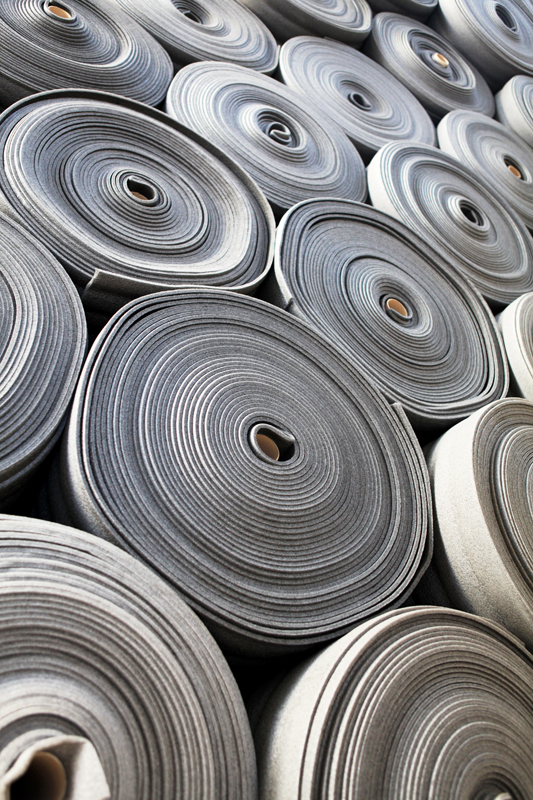
In more demanding healthcare scenarios, especially where cleaning agents and disinfectants are frequently used, chemically cross linked polyethylene foam offers enhanced molecular bonding that improves resistance to chemical exposure while maintaining elasticity, and I have personally seen how this resilience reduces material degradation, replacement cycles, and unexpected failures in clinical environments 🧪.
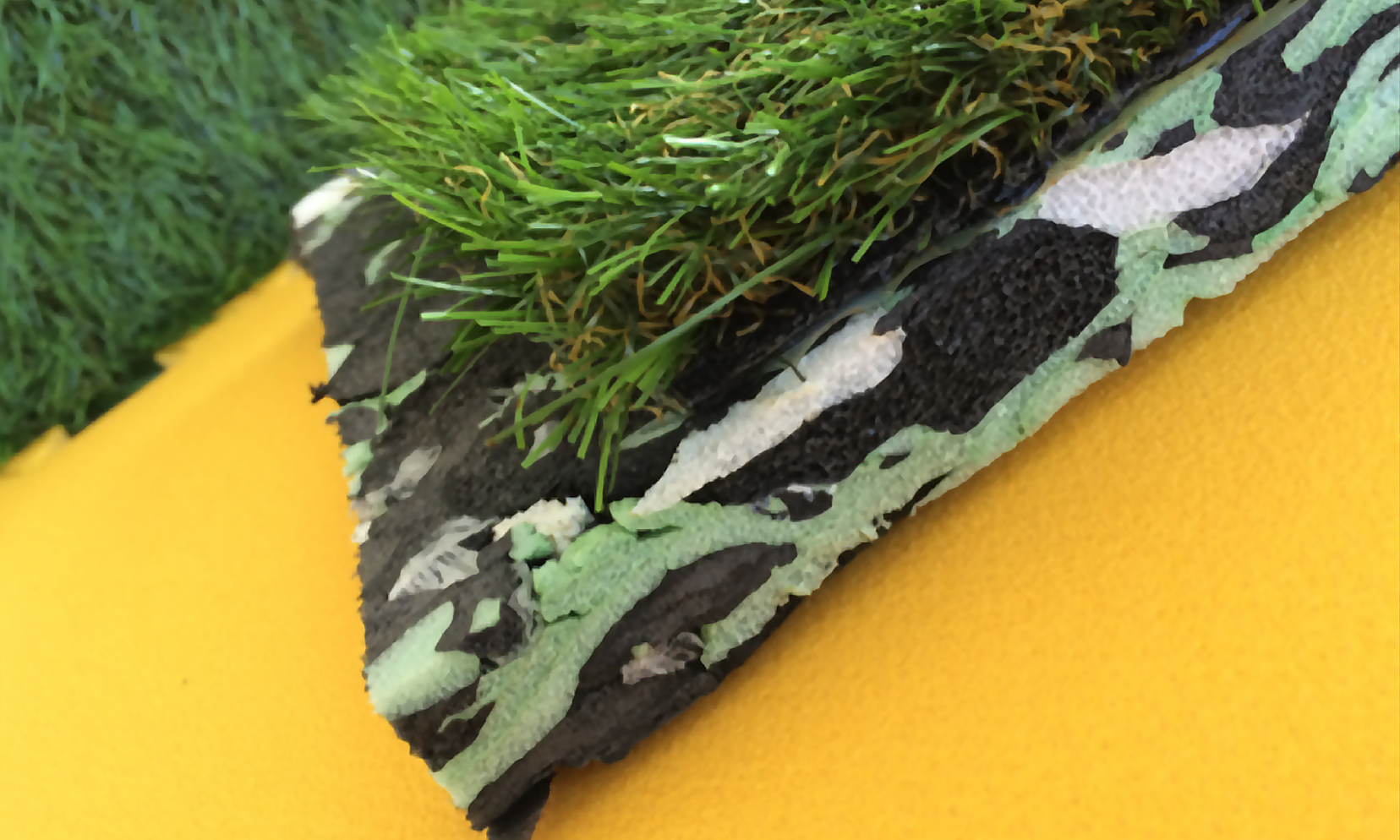
| Medical Requirement | Material Expectation | Closed-Cell PE Foam Benefit |
|---|---|---|
| Chemical Safety | Low emissions, non-toxic | RoHS & REACH compliance |
| Hygiene | Easy to clean | Closed-cell, non-absorbent |
| Durability | Stable under repeated use | Cross-linked structure |
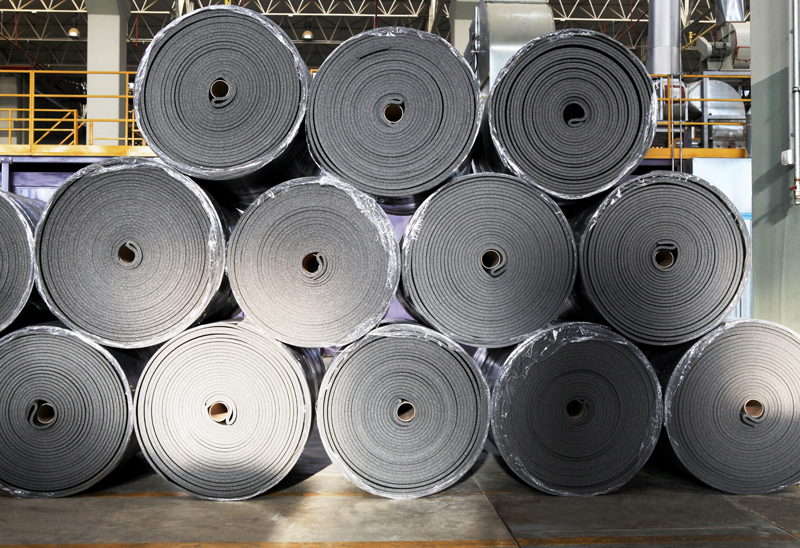
I once worked with a medical equipment supplier who faced recurring audit concerns due to inconsistent material documentation, and after transitioning to solutions provided by Durfoam, not only did their compliance process become smoother, but their internal quality teams also gained confidence knowing that material traceability and regulatory alignment were built into the supply chain from the start 😊.
Another often overlooked expectation is patient comfort, because even the safest material fails its purpose if it causes discomfort during prolonged contact, and closed-cell polyethylene foam delivers controlled softness without collapsing over time, ensuring consistent support whether used in medical mattresses, positioning aids, or protective supports.
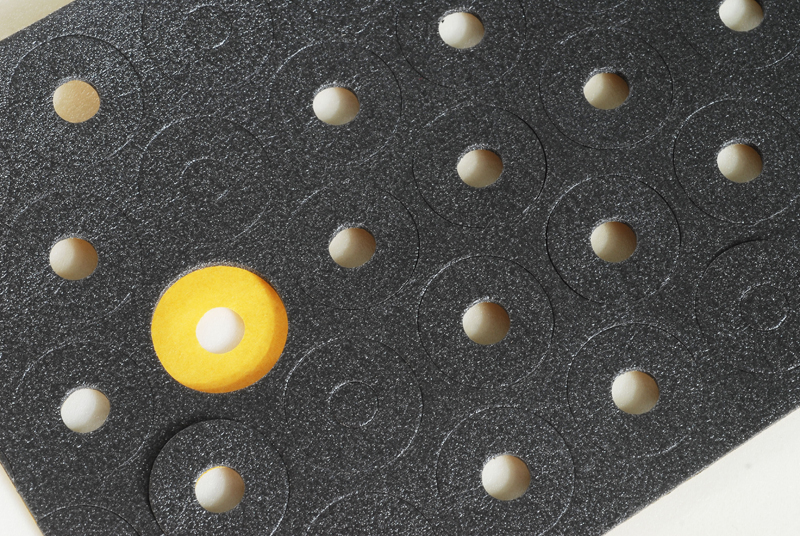
From an EEAT perspective, I place great value on suppliers who can demonstrate real-world healthcare experience, technical expertise, regulatory authority, and long-term trust, and this is another area where Durfoam earns its reputation, because their materials are not only tested in laboratories but also proven in demanding medical and healthcare environments around the world.
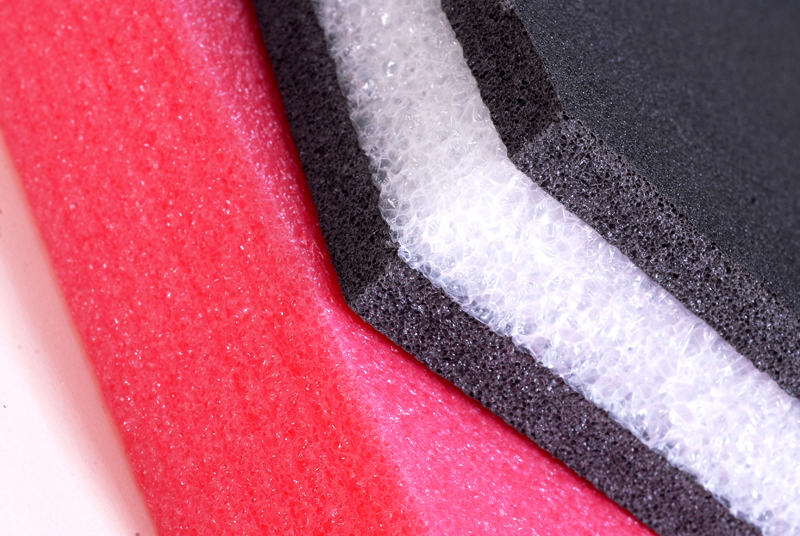

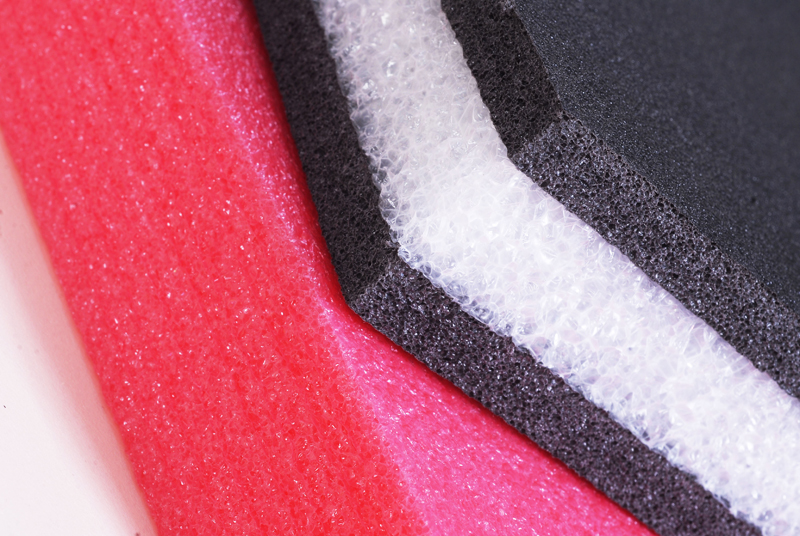
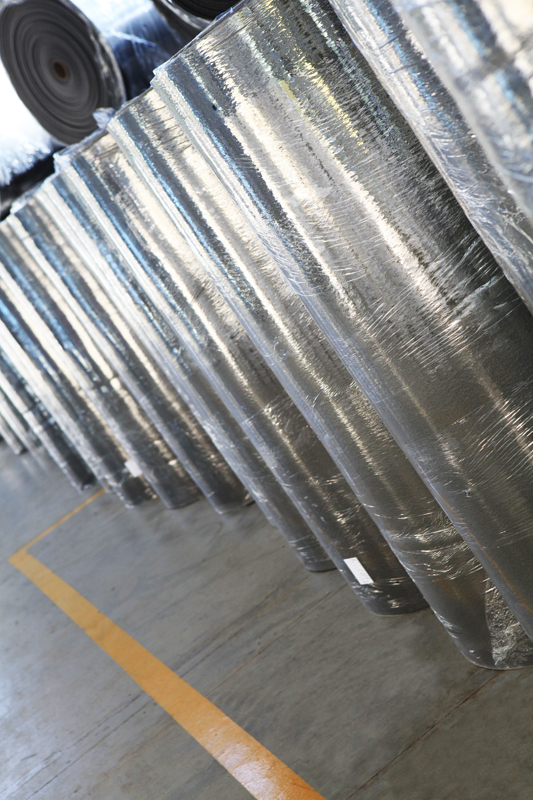
Understanding where and how these materials are produced also matters greatly in healthcare procurement, and knowing that Durfoam operates with transparent manufacturing practices and clearly defined quality controls adds an extra layer of reassurance when patient safety is on the line.
Looking back at years of collaboration with healthcare professionals and manufacturers, I have learned that medical-grade foam expectations are ultimately about trust, and by choosing RoHS and REACH-oriented closed-cell PE foam solutions developed by Durfoam, healthcare applications gain not only regulatory compliance but also long-term safety, comfort, and performance 🩺, proving that the right material choice quietly supports better outcomes for everyone involved.
“`