
When I think about the future of the automotive industry, I do not imagine only faster vehicles, smarter dashboards, or cleaner powertrains, because the real transformation also happens inside the material choices that quietly shape weight, safety, vibration behavior, cabin comfort, energy efficiency, and long term durability 😊. A modern vehicle is almost like a moving orchestra, where the engine or electric motor, chassis, body panels, interior trims, flooring, doors, roof modules, and structural parts all need to perform together without creating unnecessary weight or unpleasant noise, and this is exactly where DurComp composite materials become meaningful. According to the official DurComp composite materials information, the DurComp family is developed to meet structural product needs in defense, aerospace, railway, and automotive sectors, especially in applications where lightness and high strength are expected together, and that combination is one of the most important material goals in today’s mobility world.

For automotive manufacturers and suppliers, lightweighting is not only a marketing word, it is a daily engineering target that affects fuel consumption, electric vehicle driving range, emissions performance, handling, brake load, component fatigue, and even the feeling of quality inside the cabin. Industry studies on lightweight composite materials in automotive engineering describe composite materials as an important pathway for reducing vehicle mass while maintaining mechanical performance, and this is why composite solutions have moved far beyond luxury or racing use into broader transportation applications. From my perspective, a good automotive composite behaves like a smart travel backpack 🎒, because it carries serious responsibility without adding unnecessary burden, and when that philosophy is applied to vehicles, every kilogram saved can support better efficiency and a more refined driving experience.
As a polyethylene foam manufacturer, Durfoam brings a material centered way of thinking into this conversation, because the automotive sector does not need materials that are only light, only strong, or only easy to process, it needs balanced solutions that can support real use cases such as interior panels, sandwich structures, vibration sensitive components, acoustic layers, and high strength lightweight parts. DurComp composite sandwich panels, for example, are described on the official DurComp sandwich panel page as products that provide component lightening without sacrificing strength through different core and surface options, while also offering high hardness, impact resistance, certified fire behavior, insulation of acoustic and vibration induced sounds, and high strength to weight ratio.

Why Lightweighting Matters So Much in Automotive Design
Vehicle weight is like a silent passenger that travels everywhere with the car, because every extra kilogram influences acceleration, braking, energy demand, tire wear, suspension behavior, and long term operating efficiency, even if the driver never thinks about it directly. In internal combustion vehicles, lower weight can help reduce fuel use, while in electric vehicles, lighter structures can support longer driving range or allow engineers to balance battery capacity more intelligently. Lightweight composite materials are therefore not only about replacing metal for the sake of trend, they are about redesigning performance from the inside out, choosing materials that can do more with less, and helping the vehicle feel more efficient without feeling fragile.
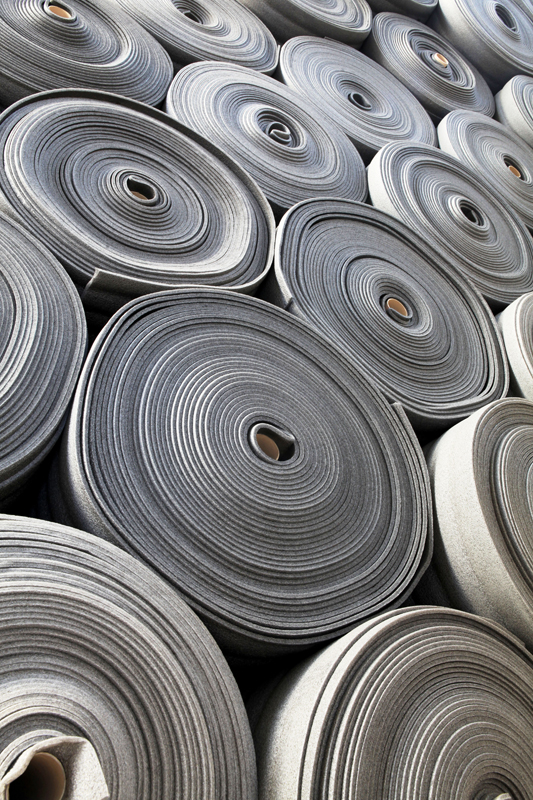
A pe foam manufacturer with experience in engineered foam and converted materials can support this transition because many automotive components require a layered material approach, where strength, stiffness, cushioning, thermal behavior, and acoustic response are considered together rather than separately. I like to compare this to cooking a balanced meal 🍲, because a single ingredient may be excellent, yet the final result depends on how every layer works with the others. In the same way, an automotive part may need a rigid surface, a lightweight core, acoustic damping, insulation behavior, and process compatibility all at once, and this is where composite thinking becomes extremely valuable.
| Automotive Need | Traditional Challenge | How DurComp Composite Logic Helps | Driver or Manufacturer Benefit |
|---|---|---|---|
| Lower vehicle weight | Metal parts can add mass and reduce efficiency | Lightweight composite structures support strength with reduced mass | Better energy use, range potential, and design flexibility |
| Cabin acoustic comfort | Road, tire, motor, and vibration noise can enter the cabin | Layered composite solutions can help manage acoustic and vibration induced sounds | Quieter and more comfortable ride quality |
| Impact resistance | Light materials may sometimes raise durability concerns | Composite sandwich structures can combine high hardness with impact resistance | More confident component design |
| Production flexibility | Different parts need different surface and core combinations | Different core and surface options support application specific solutions | Better fit for interior, exterior, railway, marine, and automotive uses |
Acoustic Performance: The Comfort Side of Lightweight Materials
Lightweighting becomes truly successful only when it does not make the vehicle feel noisier, harsher, or less premium, because nobody wants an efficient vehicle that sounds thin, vibrates unpleasantly, or makes every road texture feel like a message from the asphalt. This is where NVH, meaning noise, vibration, and harshness, becomes one of the most important comfort topics in automotive engineering. A recent review on vehicle sound package systems explains that NVH performance plays a critical role in vehicle comfort, and it also notes that new energy vehicles create fresh acoustic challenges because the absence of engine masking makes other sounds more noticeable. In everyday language, electric and hybrid vehicles can feel very quiet at first, but that quietness can make tire noise, wind noise, road vibration, motor whine, and structural resonance easier to hear.

DurComp composite materials are relevant here because the official sandwich panel information highlights insulation of acoustic and vibration induced sounds, which means the material family is not only positioned around strength and lightness but also around the kind of comfort that passengers feel during daily travel. As a physically cross linked polyethylene foam manufacturer, Durfoam already works with foam structures that can support mechanical stability, closed cell character, smooth surfaces, and dimensional control, and this wider material knowledge connects naturally with automotive acoustic needs where lightweight layers and composite systems must control vibration without becoming bulky or heavy.
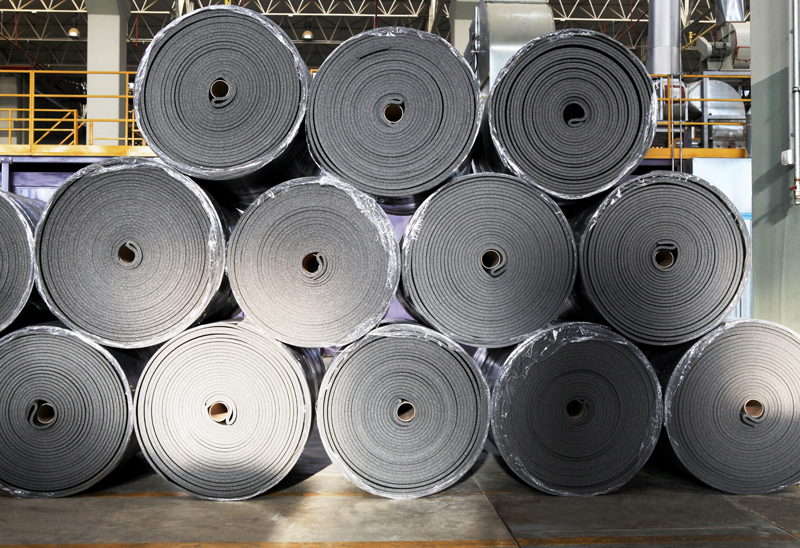
I often think of automotive acoustic performance as the difference between sitting in a quiet library and sitting beside a busy construction road; the car may still move from point A to point B in both cases, but the emotional experience is completely different 📚. When a composite material can help reduce vibration induced noise, it contributes to the feeling that the vehicle is better built, more refined, and more protective of the people inside. This matters not only for luxury vehicles but also for buses, trains, light commercial vehicles, electric vans, and public transportation interiors, because acoustic comfort reduces fatigue and makes travel feel more humane.
DurComp Sandwich Panels and Thermoplastic Prepregs
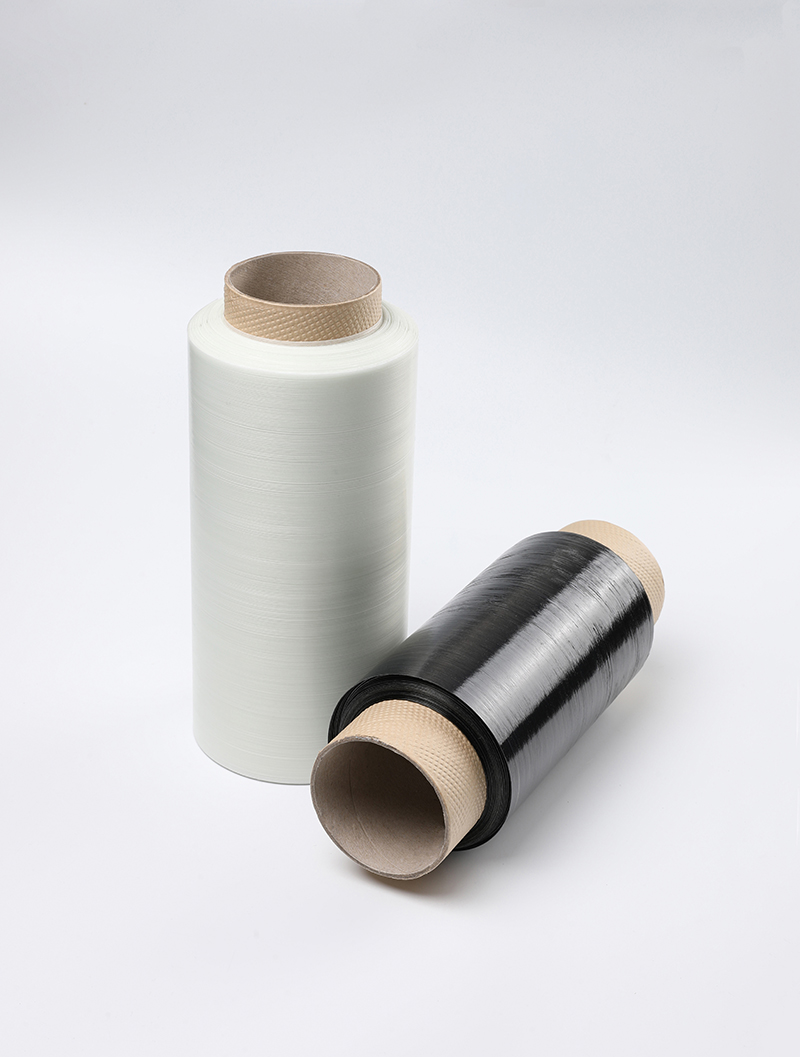
The DurComp family includes different composite approaches, and two important examples are sandwich panels and thermoplastic prepregs. The official DurComp TPP thermoplastic prepreg page explains that DurComp TPP includes unidirectional continuous fiber reinforced thermoplastic prepregs with different fiber and resin options, designed to meet expectations in railway vehicles, automotive, white goods, electronics, sports, and hobby industries. This matters because thermoplastic prepregs can support mechanical strength, chemical resistance, aesthetic appearance, and manufacturing flexibility, while sandwich panels can provide lightweight stiffness through a layered structure where surface skins and core materials work together like the two faces and inner spine of a strong but light bridge 🌉.
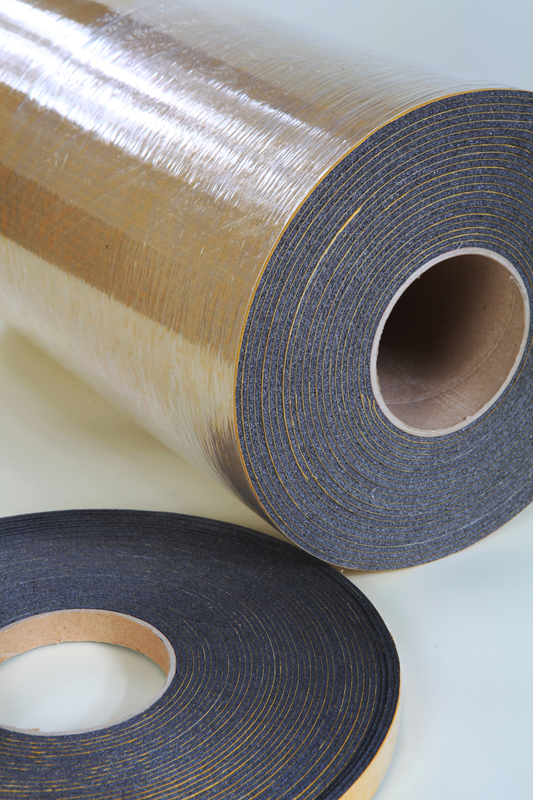
As a chemically cross linked polyethylene foam manufacturer, Durfoam also understands that foam and composite structures are not just abstract materials, because they become real parts that need to survive processing, handling, assembly, temperature variation, vibration, moisture exposure, and long term use. This is particularly important in automotive interiors, where parts must look good, feel stable, avoid unnecessary noise, meet safety expectations, and remain consistent over time. In my experience, the best materials are the ones that do not create drama during production or use; they simply perform their role reliably, like a professional team member who arrives prepared every single day 😊.
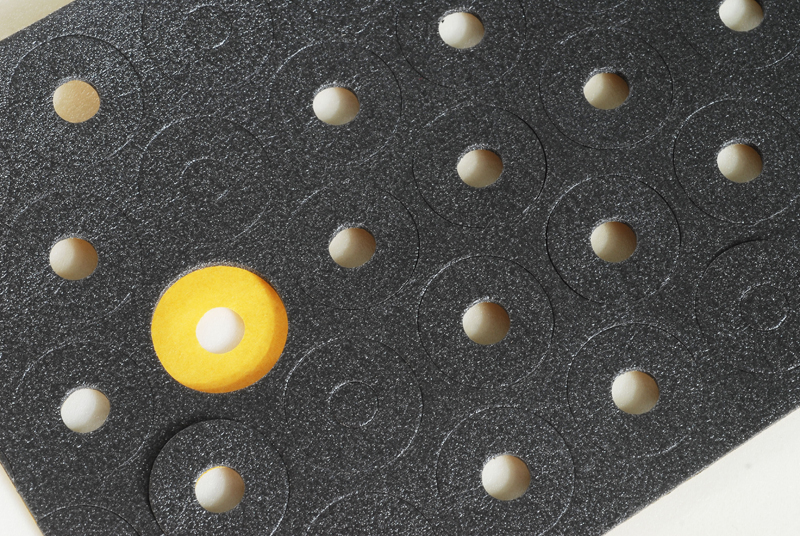
Where Automotive Composite Materials Create Value
Automotive composite materials can create value in many areas, including interior trim panels, headliner structures, floor and luggage compartment components, door and side panels, acoustic barrier layers, lightweight covers, structural inserts, underbody panels, and parts where strength, stiffness, weight saving, and sound control must be balanced carefully. A polyethylene foam manufacturer can support automotive suppliers with foam based materials used in insulation, protection, sound, heat, humidity control, and shock absorption, while DurComp adds a composite material dimension for applications that require more structural behavior. This is why I see the material family as a toolbox rather than a single hammer, because different automotive problems need different material answers.
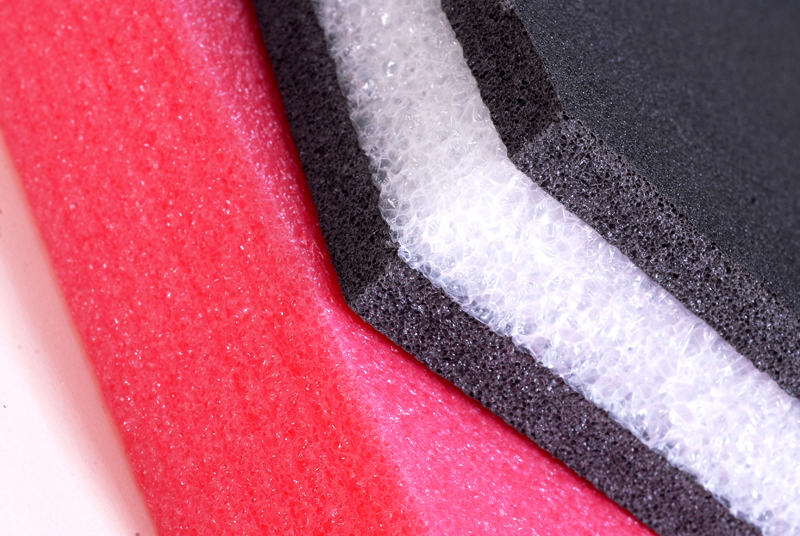
For example, imagine an electric minibus designed for city transportation. The manufacturer wants lower weight to improve energy efficiency, but passengers also expect a quiet ride because electric propulsion makes cabin background noise more noticeable. If the interior panels are too heavy, the range suffers; if they are too light but acoustically weak, passengers hear more road and vibration noise; if they are poorly designed, maintenance teams face durability issues. A well selected DurComp composite sandwich structure can help balance these goals by offering lightweight performance, stiffness, impact resistance, and acoustic support in one layered material concept. This is the kind of real world trade off where material engineering becomes visible through user comfort, even when passengers never learn the name of the material inside the panel.
Key Insights for Automotive Engineers and Suppliers
The first insight is that lightweighting should never be treated as a simple weight reduction exercise, because removing mass without protecting acoustic quality can make the vehicle feel cheaper and less comfortable. The second insight is that composite materials are most valuable when they are selected according to the full performance profile of the part, including strength, stiffness, fire behavior, processing method, impact resistance, thermal behavior, acoustic performance, and cost. The third insight is that NVH performance becomes even more important as electric mobility grows, because quieter powertrains make secondary sounds easier to notice. The fourth insight is that a pe foam manufacturer with a wider material portfolio can help connect foam based comfort solutions with composite structural needs, especially when the project requires both lightness and refinement.

Another important point is that automotive materials must support production reality, not only laboratory performance. A material may look excellent in a technical sheet, but if it is difficult to process, inconsistent in quality, too heavy for the part target, or unsuitable for the assembly method, it may not create the intended value. This is why the flexible product family approach behind DurComp is meaningful, because different core and surface options allow the material concept to adapt to different component requirements. A physically cross linked polyethylene foam manufacturer perspective supports the idea that cell structure and material stability matter, while a chemically cross linked polyethylene foam manufacturer perspective reminds us that advanced chemical and mechanical properties can also be part of the solution set for demanding applications.

A Simple Comparison: Metal Only Thinking Versus Composite Thinking
Traditional metal based design still has many strengths, and nobody should pretend that composites automatically replace every metal part, because responsible engineering always begins with the application need. However, composite thinking gives designers another route when the goal is to combine lightness, stiffness, acoustic improvement, corrosion awareness, impact resistance, and efficient part design. A metal panel may offer familiarity and strength, but a properly designed sandwich composite panel can deliver stiffness with lower mass, while also offering opportunities for acoustic and vibration control through its layered structure. In a vehicle, this can be the difference between adding more weight to solve a comfort problem and solving the comfort problem with smarter material architecture.
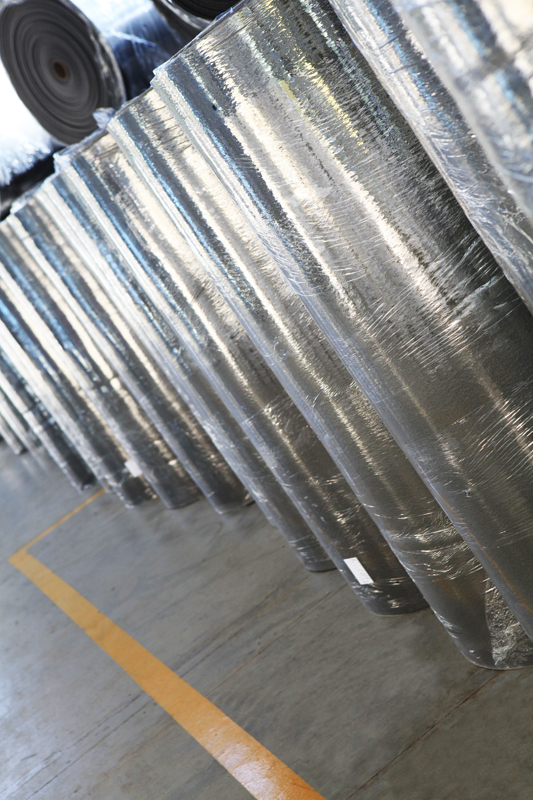
As a polyethylene foam manufacturer and pe foam manufacturer, Durfoam stands at an interesting intersection of foam knowledge and composite development, and that intersection is very useful for transportation industries where every part must justify its place in the vehicle. The material should not only be lighter; it should make the vehicle better. It should not only absorb sound; it should do so without adding unnecessary thickness or weight. It should not only look advanced; it should support manufacturability, reliability, and passenger comfort.
Conclusion: Lighter, Quieter, Smarter Mobility Starts with Better Materials
DurComp composite materials show how automotive lightweighting and acoustic performance can move together rather than compete with each other, because the best modern material strategies reduce weight while protecting the quiet, solid, and comfortable feeling people expect from a well designed vehicle. Through sandwich panel structures, thermoplastic prepreg options, different core and surface combinations, impact resistance, acoustic and vibration induced sound insulation, and high strength to weight ratio, DurComp supports the automotive sector’s need for materials that are efficient, adaptable, and comfort oriented. For engineers, this means more design freedom; for manufacturers, it means better component optimization; for passengers, it means a quieter and more refined travel experience; and for the future of mobility, it means every material decision can become a small but meaningful step toward smarter transportation 🌿.
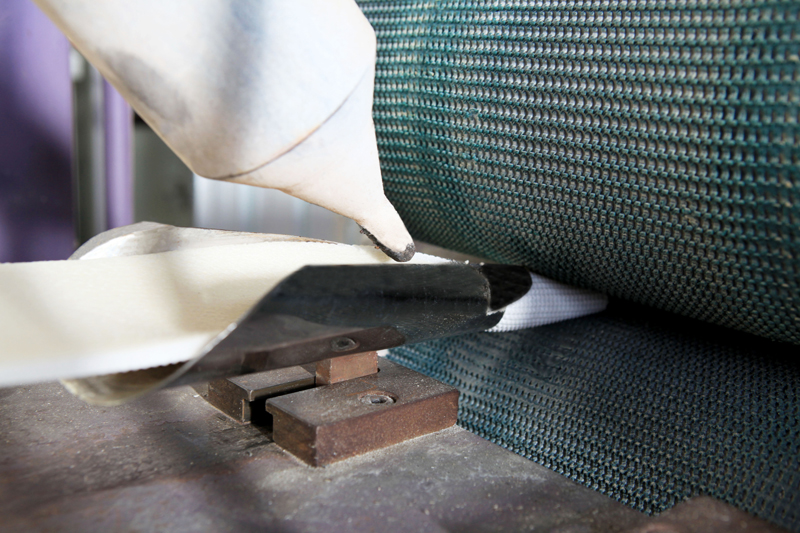
In the end, I see DurComp as more than a composite product family, because it represents a practical answer to a very modern question: how can we make vehicles lighter without making them feel weaker, louder, or less comfortable? The answer lies in material intelligence, careful engineering, and layered solutions that behave like a well trained team rather than separate parts working alone. With the wider expertise of Durfoam, automotive suppliers can think beyond conventional material habits and explore composite solutions that protect strength, improve acoustic comfort, support lightweight goals, and help create vehicles that feel more efficient, more pleasant, and more prepared for the next generation of mobility 😊.