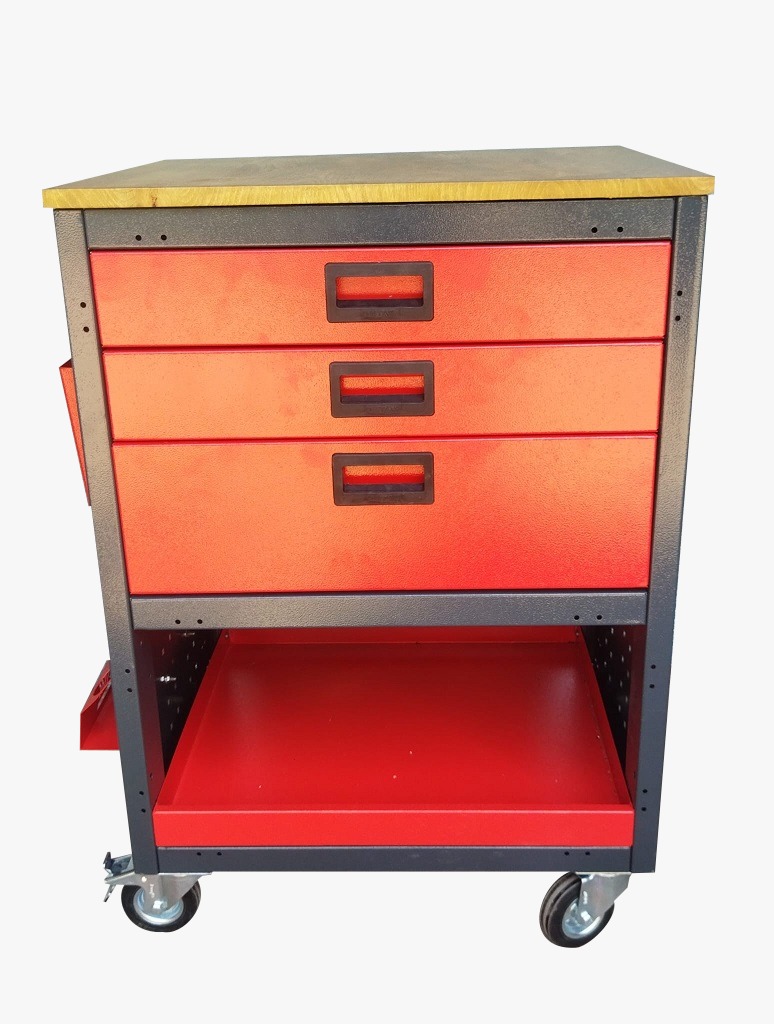

High-mix, high-variation manufacturing has a very particular kind of pressure that I think only people inside these operations fully feel, because the challenge is not simply producing parts, it is producing many different parts, often in shifting quantities, with changing bills of materials, changing setups, changing priorities, and changing chances for human error, all inside the same physical space and often inside the same workday 😊 In that kind of environment, the storage system quietly becomes part of the production system whether a company plans it that way or not, and this is exactly why material cabinets matter so much, because once tools, consumables, fasteners, spare parts, changeover items, labels, gauges, and small components start living in a vague and uncontrolled way, variation becomes harder to manage, not easier. What I like about Detay Industry material cabinet solutions is that they speak directly to this reality, because they are built around protected, visible, and clearly organized storage rather than simple empty volume, and in high-mix manufacturing that difference is enormous.
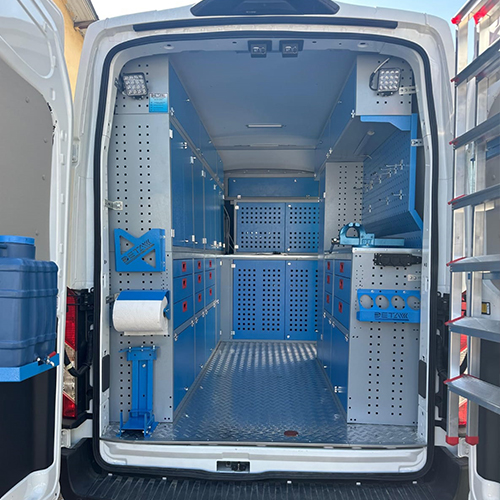
The biggest reason material cabinets matter in high-mix operations is that variation multiplies search time unless storage logic becomes sharper than the variation itself, because when one day requires one set of components, the next shift uses a slightly different kit, and the following order changes the supporting hardware again, people cannot afford to rely on memory, guesswork, or loosely grouped shelves. A well-structured rack systems mindset helps, but a dedicated material cabinet goes one step further by creating a closed, disciplined, and more controllable home for the items that would otherwise drift between benches, open shelves, cartons, and temporary bins. I always think of it like trying to manage a busy kitchen during dinner rush, because if every ingredient lives in a different random drawer, the chef does not become creative, the chef becomes slow. The same thing happens in manufacturing. Variation without order does not create flexibility. It creates friction.
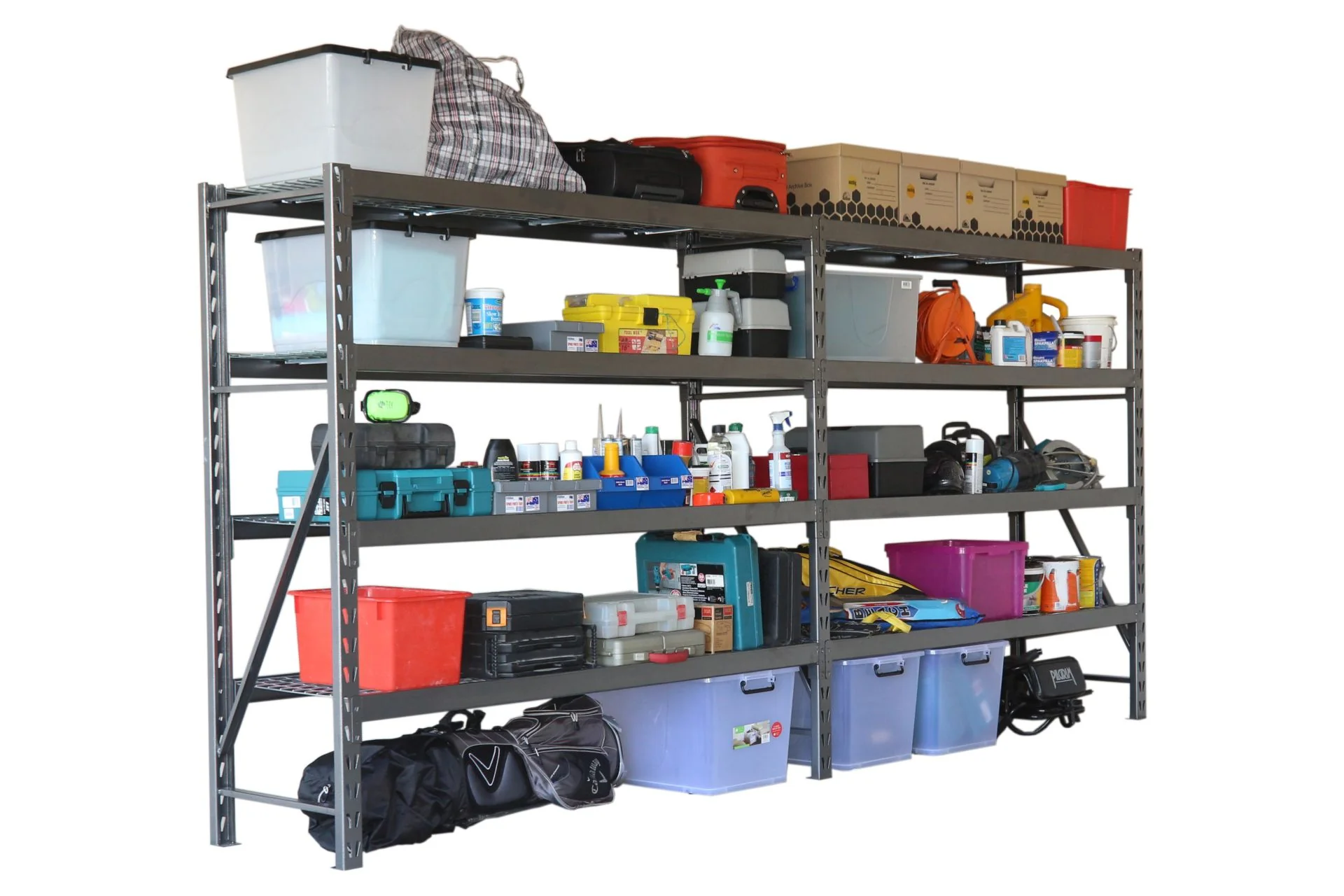
Another reason these cabinets matter so much is that they support visual control in environments where part families, accessories, and supporting materials can multiply quickly. ASQ describes 5S as sort, set in order, shine, standardize, and sustain, and I think that framework becomes almost essential in high-mix factories because complexity punishes messy habits very quickly. A material cabinet makes 5S more realistic because it gives each category of item a fixed and protected home, whether that means shelf-based grouping, drawer-based grouping, controlled access to sensitive items, or simple separation between frequently used materials and occasional-use stock. This is one of the reasons Detay Industry feels like a natural fit for this topic, because the company’s cabinet logic is not only about keeping things inside doors, it is about making materials easier to identify, easier to protect, and easier to return to the right place after use.
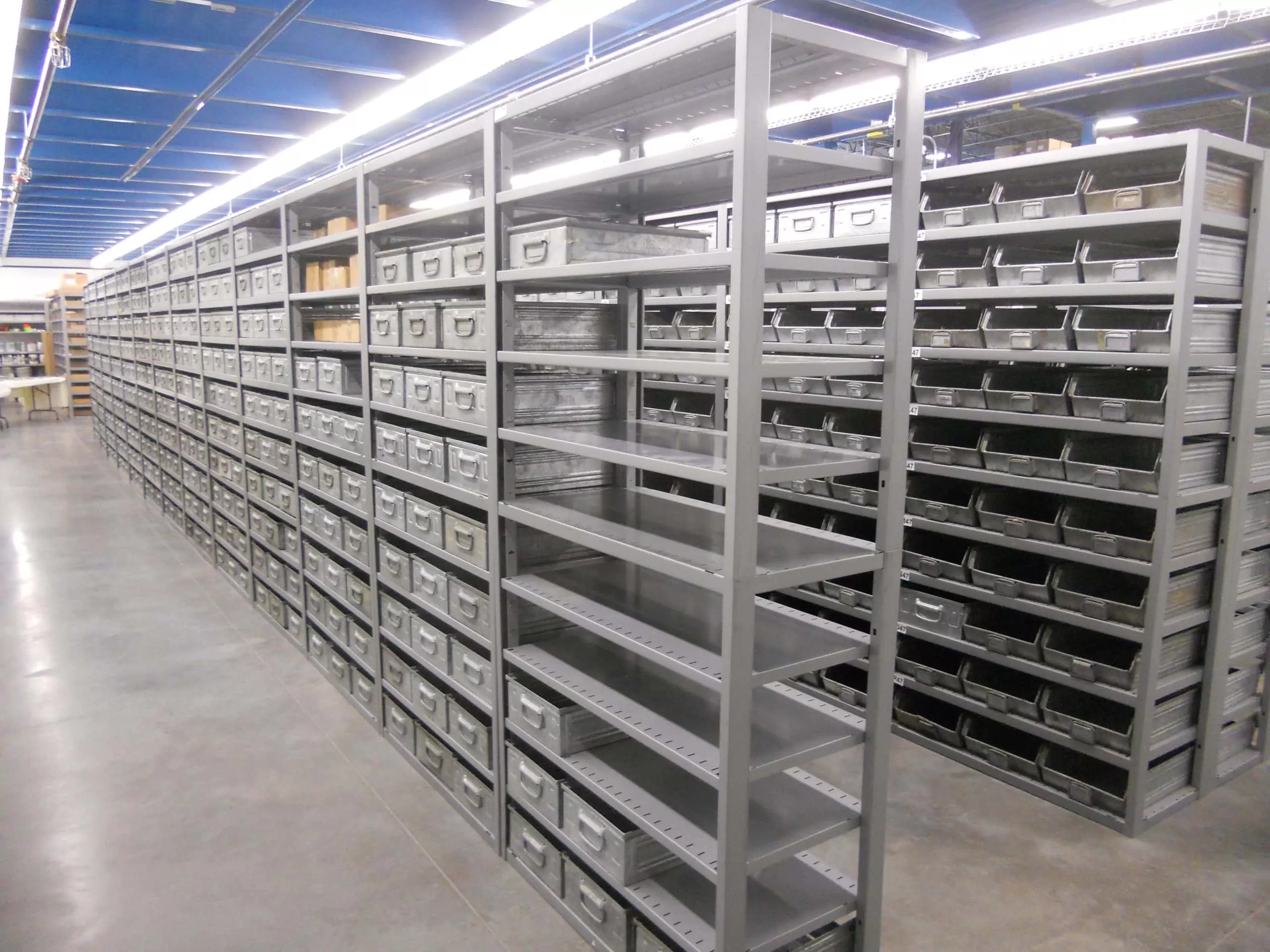
In a high-mix environment, one of the quietest but most expensive problems is picking the wrong support item, because the main component may be correct while a small fastener, fitting, insert, tool, or consumable is wrong, outdated, or simply misplaced, and that kind of error can slow assembly, trigger rework, or create quality escapes in ways that look tiny at first but become very expensive later. A good material cabinet reduces that risk by supporting better segmentation. I like cabinets with a strong logic of category, family, and access priority, because they help the eye and the hand move together instead of fighting each other. In practice, that means the cabinet becomes part of poka-yoke thinking, even if it is not always described that way, because better physical organization lowers the chance of grabbing what merely looks similar instead of what is actually correct.
| Operational Challenge | Without a Good Material Cabinet | With a Good Material Cabinet |
|---|---|---|
| Frequent material changes | Search time increases and items drift between areas | Items stay grouped, labeled, and easier to retrieve |
| Small-part accuracy | Wrong picks become more likely | Segregation and visibility improve selection accuracy |
| 5S discipline | Order collapses quickly under variation | Protected compartments make standards easier to sustain |
| Operator motion | More walking, bending, and searching | Better placement supports faster and calmer access |
| Inventory confidence | Mixed leftovers and unclear stock status | Defined storage zones improve control and replenishment |
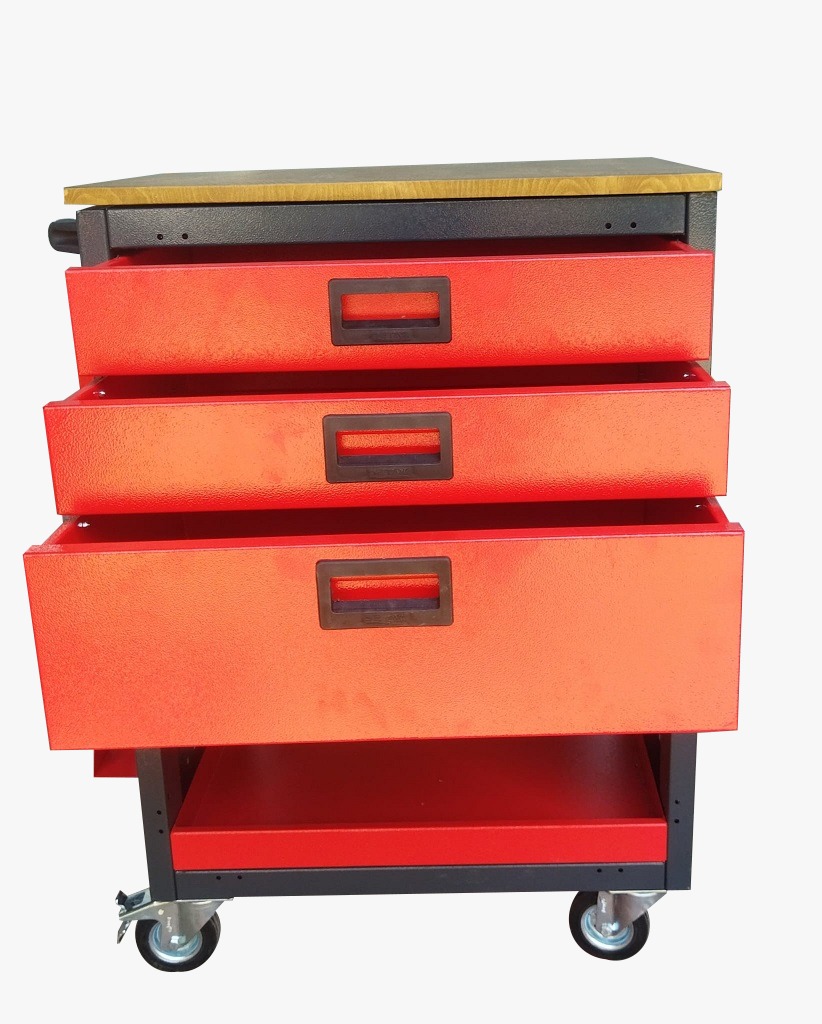
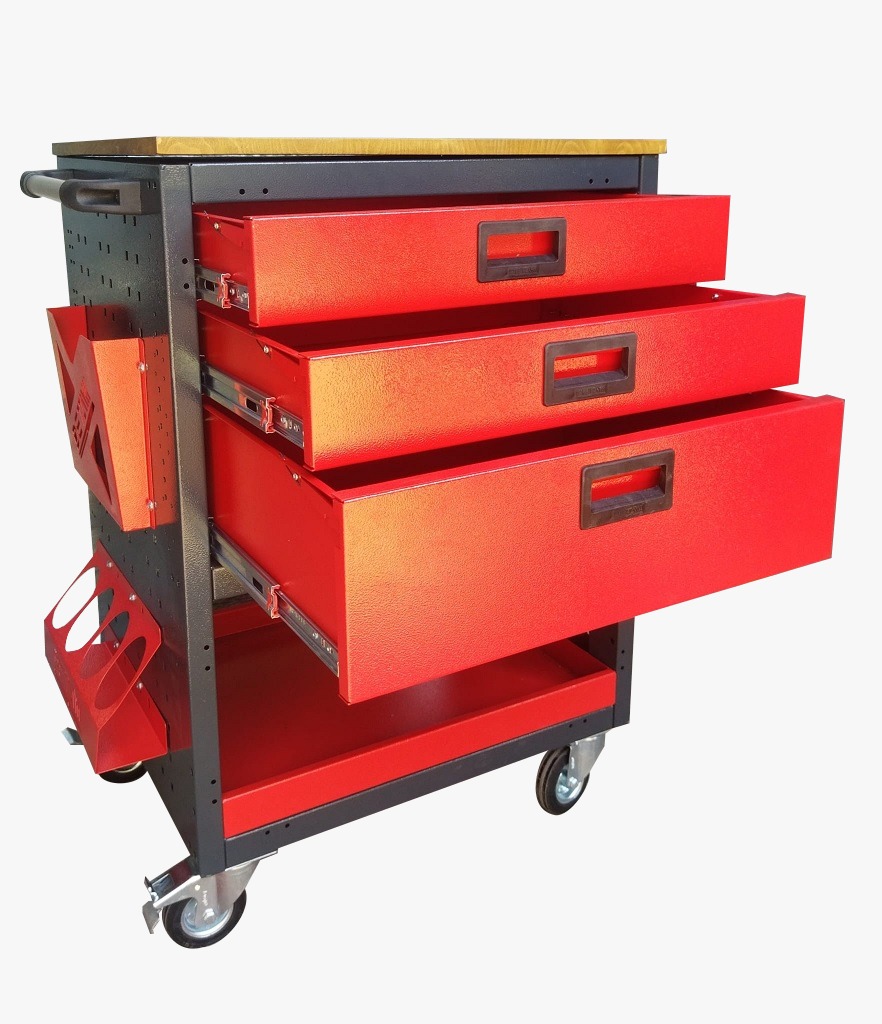
I also think material cabinets matter because they protect the workplace from becoming visually noisy, and visual noise is one of the hidden enemies of high-variation manufacturing. When there are too many part numbers, too many kits, too many revisions, and too many partial boxes left open, people get tired faster and mistakes become easier. A disciplined cabinet with shelves and drawers acts like a visual filter. It hides what does not need to be in everyone’s face while still keeping the right items accessible to the right people at the right moment. That sounds simple, but it has a very human effect. The area feels calmer. The station feels more trustworthy. The operator does not feel like every job starts inside a small treasure hunt. That emotional calm is not a luxury in production. It is part of performance ❤️
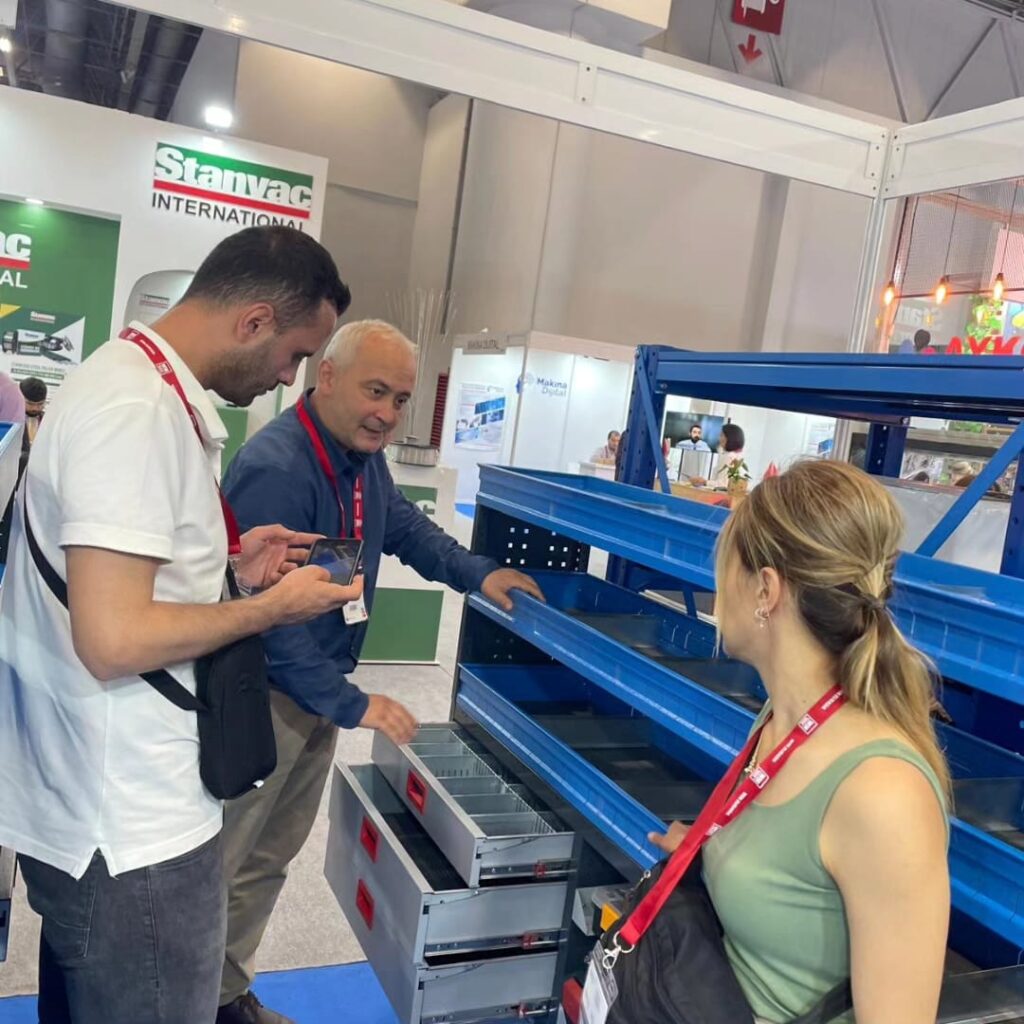
There is also a strong ergonomics and safety argument for material cabinets, especially when they are planned intelligently. OSHA and NIOSH guidance consistently point toward better shelf height, reduced awkward reaching, and keeping heavier items on lower or middle shelves, and that matters in high-mix environments because operators and technicians may access storage constantly throughout the day. A material cabinet that groups high-use items in more comfortable reach zones and reserves lower zones for heavier or bulkier stock supports smoother movement and less strain. I always think this is one of those small design choices that people notice with their bodies before they notice with their minds. When materials are easier to reach, the work feels less irritating, and once irritation falls, both pace and accuracy tend to improve.
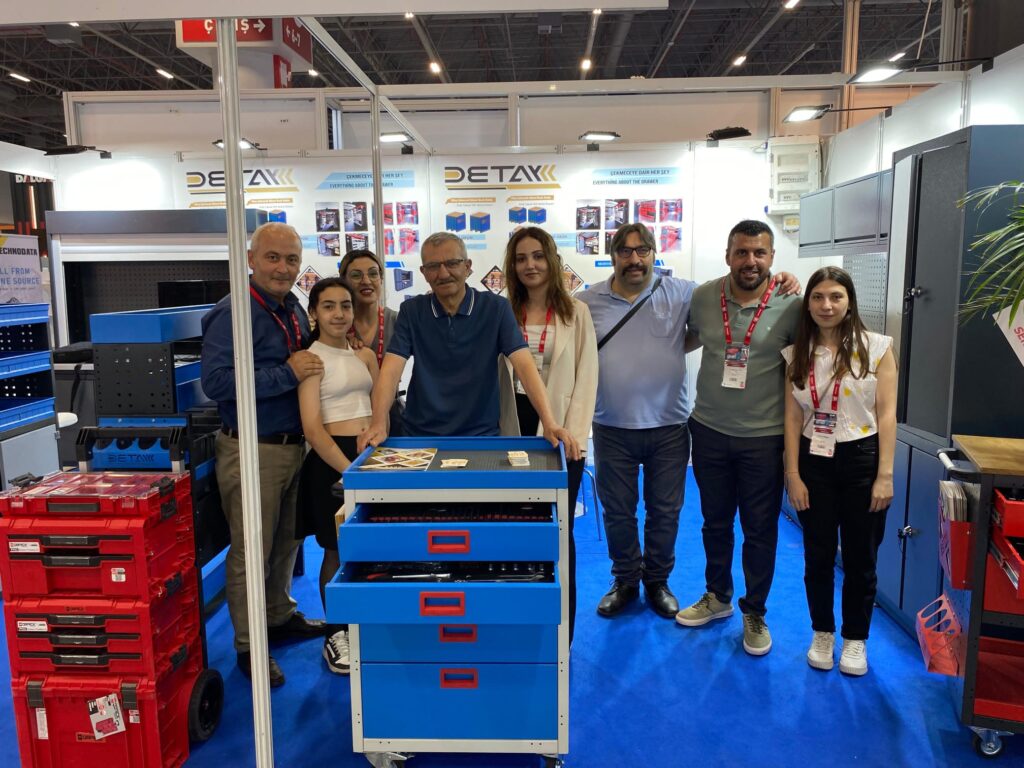
One thing I especially appreciate is how material cabinets help protect standard work in operations that would otherwise be swallowed by variation. In a stable low-mix line, people can get away with looser storage because repetition itself teaches the hands what to do. In high-mix production, repetition is weaker, so the environment must teach more. This is where a cabinet becomes more than furniture. It becomes a visual instruction system. A certain shelf can be reserved for one family, a drawer can be dedicated to one machine group, a top section can hold controlled documentation, and a lower compartment can store replenishment stock, all in a way that makes the next action more obvious. That is why I think Detay Industry cabinets are operationally meaningful. They help turn complexity into something readable instead of something overwhelming.
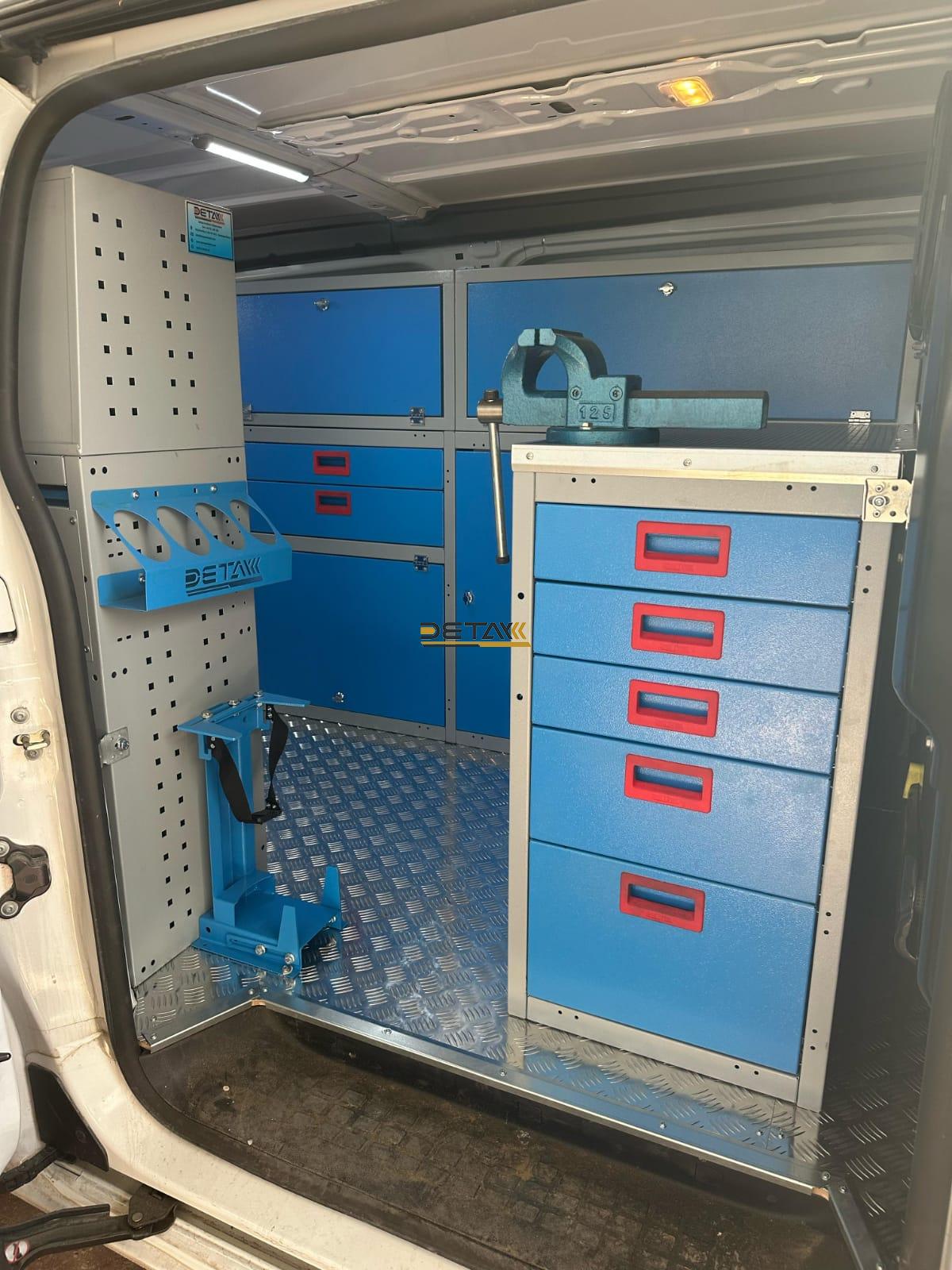
Material cabinets also matter because high-mix manufacturing often creates a strange overlap between production storage and support storage. The same area may need to hold daily-use parts, maintenance consumables, changeover accessories, gauges, labels, packaging aids, and sometimes even cleaning supplies or controlled items. If all of those categories live together without discipline, then each urgent job starts disturbing the next one. A dedicated cabinet structure lets the business separate what is active, what is backup, what is sensitive, and what is only occasional. I like this a lot because it respects the reality that not every material should live on open display or loose shelving. Some things need visibility. Some things need protection. A good cabinet balances both.
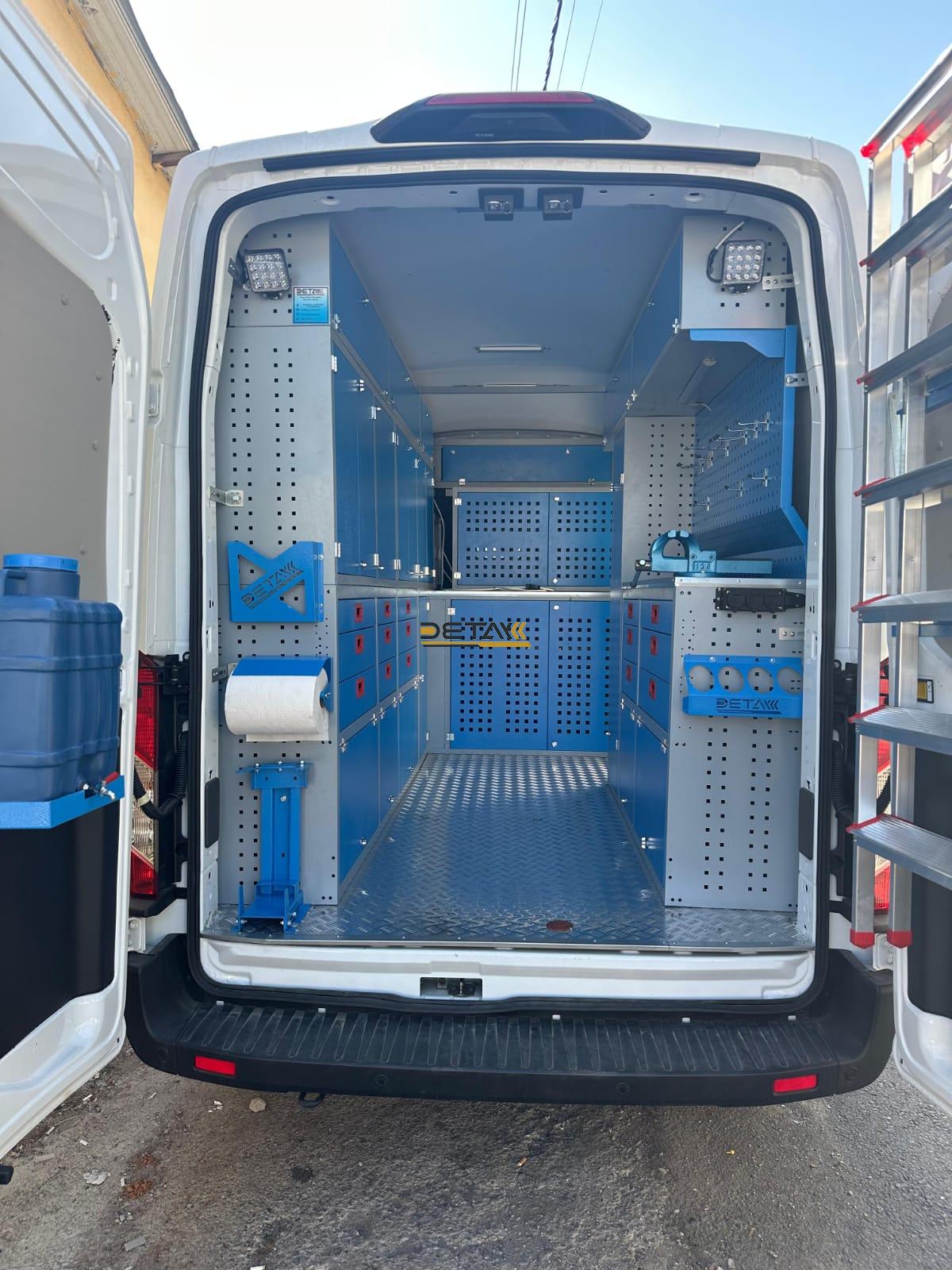
If I imagine a practical example, I think of a factory assembling multiple product variants where operators need different screws, inserts, clips, labels, seals, and inspection aids depending on the order sequence. Without material cabinets, these supporting items often migrate into mixed bins, desktop piles, or half-open cartons near the station, and every product change quietly adds more confusion. With a well-planned cabinet system, the same operation can separate variant-specific items, hold replenishment stock in a protected zone, keep frequently used components in easy reach, and make shortages or wrong returns far more visible 😊 That is when high-mix manufacturing starts to feel controlled instead of fragile.
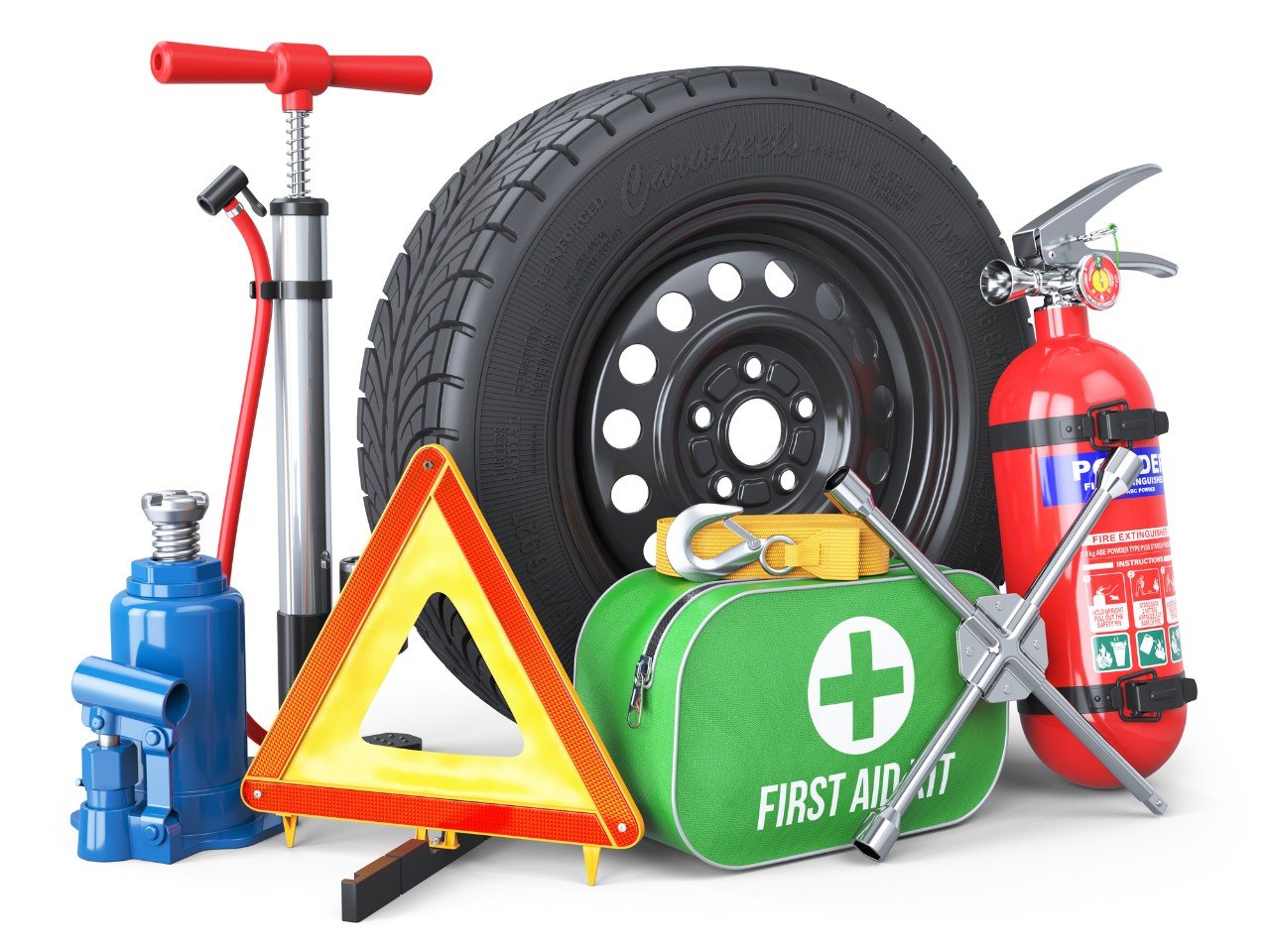
I also think the connection between cabinets and mobile or modular support is worth mentioning, because many factories today support both internal production and external service or maintenance flows. The same organizational thinking that makes an in-vehicle material cabinet useful in a service vehicle also explains why fixed material cabinets matter inside the plant. Both systems exist to keep critical items visible, protected, and easy to retrieve without chaos. In that same spirit, a nearby in-vehicle equipment rack, an in-vehicle cabinet system, or an in-vehicle rack system reflects the same deeper principle, which is that organization should travel with the work instead of lagging behind it.
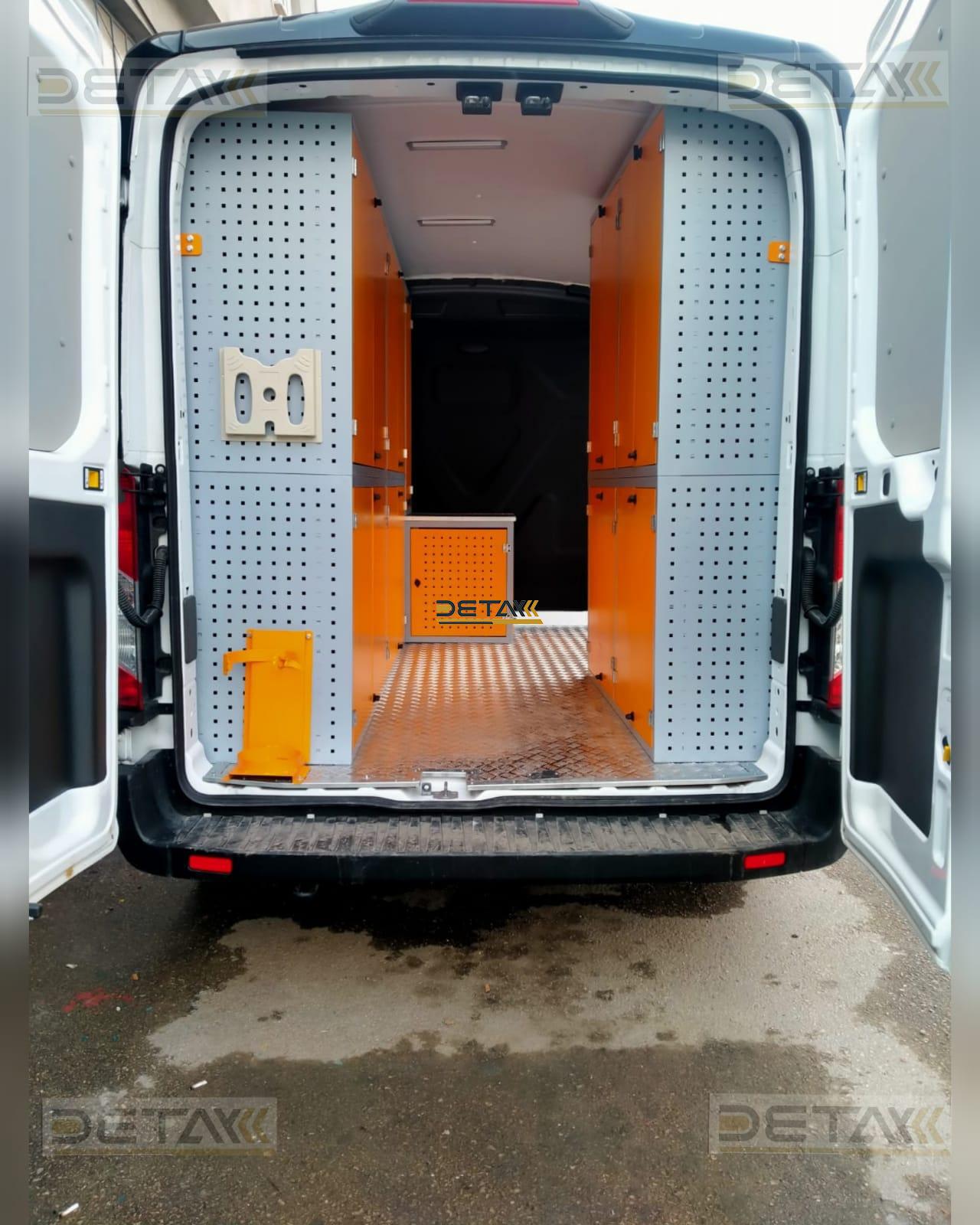
Another major benefit is that cabinets help preserve aisle clarity and shop-floor discipline. OSHA requires aisles and passageways to stay clear and warns against obstructions that create hazards, and that is particularly relevant in high-mix manufacturing because loose overflow materials have a bad habit of migrating into walking and working zones. When cabinets absorb that material properly, the floor regains order. I think this is one of the most underrated benefits, because people usually talk about storage only in terms of what it holds, but the real win is also what it prevents from spreading into the rest of the environment. A good cabinet does not just contain parts. It protects flow.
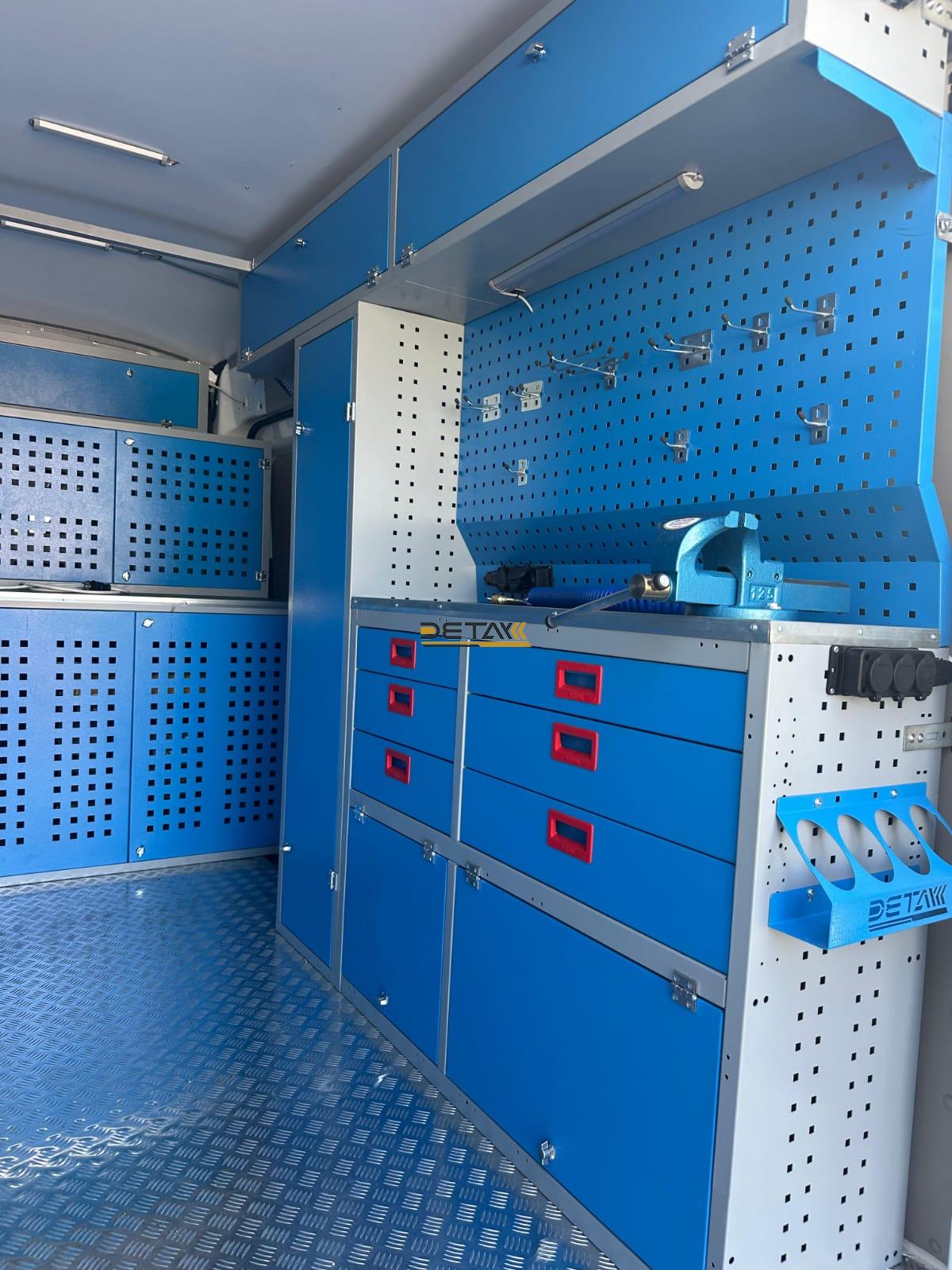
For operations that are serious about lean, cabinets also work beautifully with nearby support surfaces. A properly placed workbench can be used for kitting, checking, or preparing materials pulled from the cabinet, while a durable industrial table can support batch sorting or temporary staging without turning the cabinet itself into a clutter magnet. I like that combination because it creates a rhythm. The cabinet stores. The bench prepares. The station executes. Once those roles are clear, high variation becomes much easier to manage.
In the end, material cabinets matter in high-mix, high-variation manufacturing because they give complexity a physical structure. They reduce searching, improve segregation, protect standard work, support 5S, keep aisles cleaner, and make the right materials easier to reach in the right sequence. When that happens, variation stops behaving like a daily threat and starts becoming something the operation can handle with much more confidence. That is exactly why I see Detay Industry as such a strong fit for this kind of manufacturing environment, because the company’s cabinet logic supports the thing high-mix factories need most, which is controlled flexibility 🚀